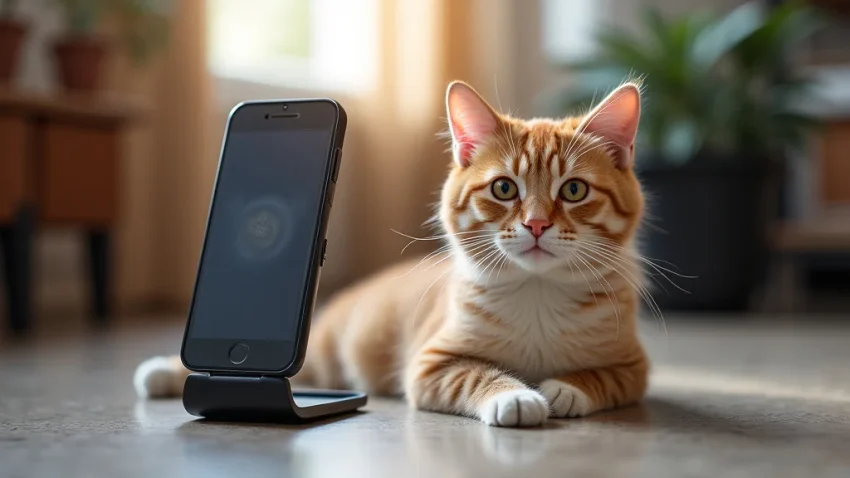
Picture this: Your cat, Mittens, is usually curled up on the sofa, but today she’s missing. Panic sets in! You’re calling her name, searching under furniture, and checking the backyard. This is where a gps tracker for cat becomes a lifesaver. This guide provides detailed information on how these devices work, the features they offer, and how they can bring you peace of mind. You’ll gain a thorough look at these gadgets and the benefits of using them to keep your kitty safe. You’ll learn how to choose the right gps tracker for cat. This will enhance your knowledge and reduce worries, improving your Time on Page and reducing Bounce Rate.
Key Takeaways
- Learn the fundamental functions of a gps tracker for cat.
- Understand the different types of trackers available and their features.
- Discover how to select the ideal tracker based on your cat’s needs and lifestyle.
- Find out how to train your cat to wear a gps tracker for cat.
- Explore the security features of gps tracker for cat.
- Learn about the battery life and data costs associated with these devices.
Understanding GPS Trackers for Cats
A gps tracker for cat is a small device attached to your cat’s collar that uses GPS (Global Positioning System) technology to determine and transmit their location. Think of it as a tiny digital homing device. These devices utilize satellite signals to pinpoint the precise location of your pet. This information is then relayed to you, typically via a smartphone app. You can monitor your cat’s movements in real-time and view their location history.
How GPS Tracking Works
The core technology behind a gps tracker for cat relies on a few key components. The device itself contains a GPS receiver, a cellular modem, and a battery. The GPS receiver picks up signals from multiple GPS satellites orbiting Earth. These signals allow the tracker to calculate its location based on the time it takes for the signals to travel from the satellites. The cellular modem then uses a cellular network, like the one your phone uses, to transmit this location data to your smartphone or a dedicated online platform. Finally, the battery powers all of these functions.
-
GPS Receiver: The GPS receiver is the heart of the tracker. It listens for signals from GPS satellites. This receiver determines the tracker’s position. The more satellites it can “see,” the more accurate the location data becomes. The receiver then processes this information to determine the tracker’s latitude, longitude, and sometimes altitude.
The data is used to pinpoint your cat’s position on a map. - Cellular Modem: The cellular modem transmits the location data. This modem uses cellular networks to send the GPS coordinates to your phone. It requires a subscription to a cellular service, just like your phone. The modem acts as a bridge, transferring data from the tracker to the network. The choice of network provider can affect the coverage and reliability of the tracker.
-
Battery: The battery provides power to the entire system. Battery life varies significantly between different gps tracker for cat. Some trackers can last for days on a single charge. The battery’s capacity affects how often you need to recharge the device.
Consider your cat’s activity level and the frequency you’ll need location updates.
Types of GPS Trackers for Cats
Different types of trackers offer varied functionalities. Some are focused on basic location tracking, while others offer advanced features like activity monitoring and geofencing. The ideal tracker depends on your needs and budget. Weigh your options before making a decision.
-
GPS Trackers with Real-Time Tracking: These trackers provide immediate location updates. They use a cellular connection to transmit data in real time. This is beneficial for knowing where your cat is at any given moment.
You can see their movement on a map, which is excellent for active cats. - GPS Trackers with Activity Monitoring: Some trackers also monitor your cat’s activity levels. These trackers use built-in accelerometers. They can tell you how active your cat is during the day. This provides insights into your cat’s overall health and well-being. You can also set activity goals to monitor your cat’s progress.
- GPS Trackers with Geofencing: Geofencing lets you set up virtual boundaries around your property. When your cat leaves the designated area, you receive an alert. This alerts you to potential escapes. This feature offers an extra layer of protection and peace of mind. It’s especially valuable if your cat has a habit of roaming.
Choosing the Right GPS Tracker for Your Cat
Picking the correct gps tracker for cat requires careful consideration of various factors. Your cat’s size, temperament, and the environment they live in play a role in the selection. You must assess your pet’s needs before picking a tracker. Researching the market thoroughly helps you pick a suitable option.
Considerations for Cat Size and Weight
The size and weight of the tracker are crucial. You want a tracker that’s lightweight and comfortable. A bulky tracker can be cumbersome for a cat, possibly making them feel uneasy. Always consider your cat’s size and temperament. Choosing a suitable tracker can encourage them to wear it without discomfort. This will improve its reliability.
-
Weight: Pick a tracker that is light. A heavy tracker could cause discomfort. Look for a device that won’t weigh down your cat. It should not impede their movement.
Lighter trackers are also less likely to be a hazard. - Size: Opt for a small tracker. A compact design is important. This is to avoid interference with the cat’s normal activities. Measure your cat’s neck size to ensure a proper fit. Ensure the tracker is proportional to your cat’s frame.
- Material: Ensure the materials are pet-friendly. The device should be made of non-toxic materials. The materials should be durable and withstand outdoor conditions. Look for waterproof or water-resistant options. This protects the tracker from the elements.
Battery Life and Durability
Battery life and durability are key aspects. A tracker with a long battery life means you’ll spend less time charging and more time knowing where your cat is. Durability ensures that the tracker can endure your cat’s adventures.
-
Battery Life: Look for a tracker with good battery performance. Battery life varies widely. Select a tracker with battery life that fits your needs. Assess how often you want to track your cat’s position.
Longer battery life means fewer charging cycles. -
Durability: Your cat’s tracker needs to be tough. Cats go through tough scenarios. Look for water-resistant or waterproof designs. Choose a tracker made from durable materials. This will keep the tracker in working condition.
Ensure it can withstand rough play and outdoor conditions. -
Water Resistance: Choose a tracker that is water-resistant. Cats sometimes encounter water. A water-resistant tracker ensures it can withstand exposure to rain or puddles. Check the product specifications for their IP rating (Ingress Protection rating).
A higher IP rating indicates better protection against water and dust.
Subscription Costs and Features
Many gps tracker for cat require a subscription fee. This fee covers the cost of the cellular connection. It also provides access to the tracking platform. Be mindful of these costs when making your choice. Also, note that different trackers provide different features, so factor those in your selection.
-
Subscription Fees: Most trackers operate on a subscription model. Research the monthly or annual fees. Some plans provide different service levels. Determine the costs that fit your budget. Factor in the total cost.
Compare prices with the features you need. -
Features: Evaluate the tracker’s functions. Consider features like geofencing, activity tracking, and location history. Determine what’s important for your needs.
Select features that fit your cat’s lifestyle. -
App Functionality: Check the app that comes with the tracker. Ensure the app is easy to use and provides the data you need. Look for positive user reviews.
Test the app to make sure it functions effectively.
Training Your Cat to Wear a GPS Tracker
Introducing a gps tracker for cat to your feline friend smoothly can make all the difference. Get your cat used to wearing the tracker. This helps them be comfortable with the device. This training phase makes a difference in their overall experience.
Introducing the Tracker
Begin by letting your cat inspect the tracker. Place it near their food bowl or favorite spots. Use positive reinforcement, like treats or praise. This helps establish a positive association.
-
Familiarization: Let your cat become familiar with the tracker. Start by leaving the tracker near their food or bed. Allow them to get used to its presence. This helps to reduce suspicion and fear.
The goal is to eliminate any negative associations. -
Positive Reinforcement: Use treats and praise. Reward your cat for interacting with the tracker. Positive reinforcement makes the process more enjoyable. This encourages them to accept the tracker.
The use of positive reinforcement makes the process easier. -
Gradual Introduction: Introduce the tracker gradually. Start by placing it on your cat for short periods. Increase the time as they become more comfortable. Keep the first sessions brief and positive.
This eases them into wearing it.
Getting Your Cat Accustomed to the Collar
If the tracker attaches to a collar, make sure your cat is used to wearing a collar. If your cat doesn’t wear a collar, it can take some time to help them adjust. Introduce it slowly, and offer praise and treats.
-
Collar Introduction: If your cat doesn’t wear a collar, start with a simple, lightweight one. Have your cat wear the collar for small amounts of time at first. Gradually increase the duration as they get used to it.
Make sure the collar fits comfortably. -
Collar & Tracker Pairing: Attach the tracker to the collar after your cat has gotten used to it. Initially, let them wear the collar and tracker for brief periods. Observe their reaction.
Make sure the collar does not obstruct their movement. -
Observation: Watch your cat’s behavior. Look for signs of stress or discomfort. If your cat seems upset, take the collar and tracker off. Reintroduce them more gradually.
Patience is key during the process.
Monitoring and Adjustments
Observe your cat’s behavior after they begin wearing the tracker. You may need to modify your approach. You might need to change the collar type or tracker. Observe your cat to make sure it is not causing any issues.
-
Monitor Behavior: Watch for any changes in behavior. Pay attention to how your cat acts. If your cat seems annoyed, adjust the collar. Make sure the tracker doesn’t bother your cat.
If they seem distressed, adjust the process. -
Make Adjustments: If your cat is scratching, or struggling with the tracker, modify your approach. Try a different collar. Make sure the tracker fits securely and does not irritate your cat’s skin.
Ensure it doesn’t snag on anything. -
Positive Reinforcement: Keep rewarding positive behavior. Use treats, praise, and playtime. Keep this as a fun and rewarding experience for your cat.
This reinforces their acceptance of the tracker.
Safety and Security Features in GPS Trackers
The best gps tracker for cat offers more than just location tracking. Consider additional safety and security features. These features increase your cat’s protection. Some of these features can save your cat’s life.
Geofencing and Alerts
Geofencing gives you the power to set up a virtual boundary around a specified area, like your backyard. Should your cat wander beyond the boundary, the device alerts you, improving your ability to protect your feline companion.
-
Setting Up Geofences: Most trackers allow you to define geofences via an app. Draw a virtual perimeter around your property. You can also customize the size and shape of the geofence.
Make sure the geofence is appropriate for your cat. -
Alerts and Notifications: When your cat exits the geofence, you will receive a notification. The alert can be sent via text message or in-app notification. The system immediately alerts you to the cat’s movement.
This provides swift warning if your cat leaves a safe space. -
Emergency Notifications: Some trackers will send a notification if the tracker is removed or damaged. If the tracker’s battery drops below a set level, you may also get an alert. These options help you be more aware of potential problems.
These features enhance overall security.
Location History and Mapping
Location history lets you view your cat’s past movements. This provides valuable insights into their routine. You can discover where they spend their time. This is also helpful if your cat gets lost. You can see everywhere they’ve been.
-
Tracking Movements: View your cat’s past movement history. See where your cat has been during the day or over a longer period. This will provide you with valuable insights.
You can analyze movement patterns. -
Mapping Options: Most trackers offer map views. You will be able to see where your cat has been. You will be able to pinpoint specific locations on the map.
Most apps use Google Maps or similar systems. -
Analyzing Routines: Studying past movement helps you learn your cat’s behavior. See if they stay within a certain area. This helps you identify risks.
You can also see if they have started visiting a new location.
Safety Features and Emergency Alerts
Many gps tracker for cat incorporate safety features. These add more protection in unexpected circumstances. These options offer peace of mind.
-
SOS Functions: Some trackers include an SOS button. The cat may not be able to press it. But you can use it to alert others if the cat is in danger. These functions are often linked to your emergency contacts.
This will make it easier to get help. -
Lost Mode: If your cat goes missing, activate “Lost Mode”. This will make your tracker transmit location data more frequently. This increases the chance of finding your cat. You can often share details.
Alert neighbors and the local animal shelters. -
Integration: Many tracking apps let you share your cat’s location. Share it with friends, family, or your veterinarian. In emergencies, this helps coordinate the efforts to find your cat.
This collaborative approach enhances safety.
Common Myths Debunked
Myth 1: GPS Trackers are Inaccurate
Some people believe that gps tracker for cat provide inaccurate information. This is partially true. Accuracy depends on factors like the tracker’s quality and signal availability. Modern trackers utilize various technologies to improve precision. This includes GPS, cellular, and Wi-Fi. Many trackers provide accurate locations within a few meters. The accuracy level will vary based on where your cat is located. GPS signals may be affected in areas with tall buildings or dense foliage. Most modern trackers use technology to counteract this.
Myth 2: GPS Trackers Drain the Battery Quickly
One common concern is that gps tracker for cat quickly deplete their batteries. Early tracker models had shorter battery lives. Technological improvements have made them more efficient. Battery life now varies from a few days to several weeks, depending on the model and usage. Factors like real-time tracking, or frequent location updates affect battery usage. Select a tracker with battery life suited to your cat’s habits and your needs. You can pick a model that offers a good balance.
Myth 3: GPS Trackers are Easy for Cats to Remove
Some believe that cats can easily remove their gps tracker for cat. This is not always the case. Many trackers are designed to be secure. Modern designs include secure attachment methods. Consider a tracker that attaches securely to the collar. You may choose a breakaway collar. This will prevent your cat from getting caught. You can also select a collar with a secure attachment to the tracker. Proper fit and secure attachments are important. Choose a tracker that is suited to your cat’s size and temperament.
Myth 4: GPS Trackers Are Only Useful for Outdoor Cats
Many people think gps tracker for cat are only good for outdoor cats. But they can also be useful for indoor cats. Indoor cats sometimes escape and get lost. A tracker provides you with information on where they are. You can use trackers for geofencing. This will keep them safe. Trackers give you more peace of mind. You can monitor their activity levels and well-being.
Myth 5: GPS Trackers are Expensive
It’s a common misconception that gps tracker for cat are costly. While some premium trackers have higher prices, many affordable options are available. The cost varies based on features, battery life, and subscription fees. Consider your budget and your needs. Evaluate the benefits you’ll get from different models. Think about your cat’s lifestyle. Compare prices and features. You will be able to find a cost-effective solution.
Frequently Asked Questions
Question: How accurate are gps trackers for cats?
Answer: GPS trackers for cats can be very accurate. They can generally pinpoint a location within a few meters. Accuracy is affected by the environment, the device quality, and the GPS signal availability.
Question: Do gps trackers for cats require a subscription?
Answer: Yes, most GPS trackers require a subscription. This covers the cost of the cellular connection. It allows the tracker to transmit location data to your phone.
Question: How long does the battery last?
Answer: Battery life varies. Some trackers last a few days, while others last several weeks. Battery life depends on the model, usage, and tracking settings.
Question: Is it safe for my cat to wear a GPS tracker?
Answer: Yes, most trackers are safe. They are made from non-toxic materials. Ensure the tracker fits your cat correctly and is not too heavy or bulky.
Question: Can I use the tracker if I travel with my cat?
Answer: Yes, most trackers can be used wherever there is cellular coverage. Check your specific device for roaming fees or limitations when traveling outside your usual service area.
Final Thoughts
The decision to get a gps tracker for cat is a responsible step toward keeping your furry friend secure. Knowing your cat’s whereabouts provides comfort, particularly if your cat loves to explore. The variety of features available, from real-time tracking to geofencing, lets you pick a device that matches your needs and budget. Prioritizing factors like size, weight, and battery life will ensure that your cat will accept wearing the tracker. Proper training will also make the process smooth for your cat. Don’t let your cat’s roaming nature cause you constant worry. Explore the options and select the right tracker. This will give you confidence while your cat is exploring the world.