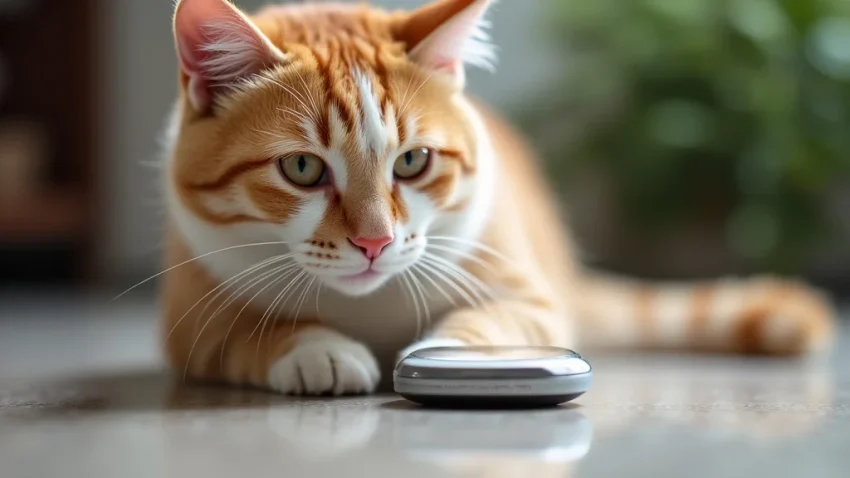
Picture this: Your cat, Whiskers, has slipped out the door again. Panic sets in. Where did she go? Is she safe? This is a familiar fear for many cat owners. Thankfully, technology offers a solution: gps trackers for cats. This guide will walk you through everything you need to know, from choosing the right tracker to understanding how they work. You’ll gain a thorough knowledge of these devices, empowering you to make informed decisions and ensure your cat’s well-being. Get ready to explore a device that brings peace of mind and allows you to keep an eye on your curious companion.
Key Takeaways
- GPS trackers allow you to monitor your cat’s location in real-time.
- Several factors affect your choice, including size, weight, and battery life.
- Understanding the technology will help you make the best purchase for your cat.
- You’ll discover tips for proper use and ensure your cat’s comfort.
- Consider the cost implications, including the cost of the device and service fees.
- Knowing common misconceptions can help you utilize this tech effectively.
Unveiling GPS Trackers for Cats: What They Are and Why You Need One
A gps tracker for cats is a small device attached to your cat’s collar that uses satellite signals to pinpoint its location. Think of it as a tiny, high-tech leash that lets you know where your cat roams. This simple yet effective tool provides you with peace of mind. It allows you to monitor your cat’s movements and location using a smartphone app or a web interface. Whether your cat is an indoor-outdoor adventurer or a neighborhood explorer, a GPS tracker can become an essential addition to your cat care toolkit. In today’s world, having the ability to locate your cat is invaluable.
How GPS Trackers Work
GPS, which stands for Global Positioning System, is a network of satellites orbiting the Earth. These satellites send signals to GPS receivers on the ground. A GPS tracker for cats has a built-in GPS receiver that picks up these signals and calculates its position. The tracker then transmits this location data to a server, which you can access through an app on your phone or computer. It’s similar to how your car’s GPS works, but on a smaller scale and tailored for your feline friend. Each device uses a cellular network to transmit the location data, similar to how your phone gets service.
- Satellite Signals: GPS trackers utilize signals from orbiting satellites. These signals provide the information needed to pinpoint the tracker’s exact location.
- Cellular Network Transmission: The location data is sent to a server using a cellular network. This is how the device relays its position to your phone or computer.
- Smartphone App or Web Interface: You view your cat’s location using a dedicated app or a web browser. The interface displays a map with your cat’s real-time position.
The core of a GPS tracker’s functionality lies in its ability to receive and process signals from a network of satellites. These satellites broadcast signals containing time and location data. The GPS tracker’s receiver captures these signals, calculates its distance from multiple satellites, and then triangulates its position. This process determines the tracker’s precise coordinates, including latitude and longitude. The accuracy of the location is impacted by factors like the number of visible satellites, atmospheric conditions, and the quality of the receiver itself. A good receiver can determine the tracker’s location to within a few meters.
Once the GPS tracker determines its location, it needs a way to transmit this information to you. It uses a cellular network, like the one your smartphone uses to connect to the internet. The tracker has a built-in cellular module and often requires a subscription to a cellular service. This module sends the GPS data to a server, typically operated by the tracker’s manufacturer. This server stores the data and then makes it available to you through a mobile app or web interface. A strong cellular signal is essential for real-time tracking, so coverage in your area is a factor to consider.
The final step in the process involves you, the owner. You’ll use an app or a web interface to see your cat’s location on a map. These apps, available for both iOS and Android, offer a user-friendly way to monitor your pet. The map usually shows your cat’s current location, along with its movement history and sometimes other data, like the tracker’s battery level. Features may include setting up safe zones, getting alerts when your cat leaves these zones, and viewing activity reports. The interface is designed to be easy to use, providing a simple way to keep tabs on your cat.
Factors to Consider When Choosing a GPS Tracker
Choosing the right GPS tracker involves considering several factors. You will have to think about your cat’s size, activity level, and your budget. Think about features like real-time tracking, safe zones, and battery life. It’s crucial to select a tracker that’s both effective and comfortable for your cat. This ensures the device gives you the peace of mind you seek while keeping your feline companion safe and happy.
- Size and Weight: Make sure the tracker is lightweight and fits comfortably on your cat’s collar. Avoid anything bulky or heavy that could bother your cat.
- Battery Life: Select a tracker with a battery life that meets your needs. Some trackers need to be charged daily, while others last for several days.
- Tracking Features: Look for features like real-time tracking, location history, and safe zones (geofencing).
- Durability: Choose a tracker that’s water-resistant and made of durable materials. Cats can be adventurous, so the tracker should be able to withstand the elements.
- Subscription Fees: Many trackers require a subscription fee for the cellular service that provides tracking data. Factor this cost into your budget.
A cat’s comfort is of the utmost importance. A GPS tracker that is too large or heavy can be a major issue. Many trackers weigh around an ounce or two and are designed to be small enough that they don’t impede movement or cause discomfort. Consider the design of the tracker, including rounded edges and materials that won’t irritate your cat’s neck. A well-designed tracker should be almost unnoticeable. The goal is a device that offers valuable features without impacting your cat’s normal activities.
The battery life of a GPS tracker is a critical feature. The best trackers typically offer battery life of several days. This is especially important if your cat is frequently outdoors. Consider how often you will be able to charge the tracker. Longer battery life reduces the frequency of charging. This is an important consideration for all cat owners. The design of the battery itself is key. Some trackers have rechargeable batteries, while others use replaceable batteries. Choose the option that fits your lifestyle. This can include how often your cat is away from the house.
The features offered by a GPS tracker add to its value. Real-time tracking is a core feature, allowing you to see your cat’s current location on a map. Location history is also important; it lets you see where your cat has been during the day. Safe zones, also known as geofencing, allow you to set up virtual boundaries. If your cat strays outside these boundaries, you’ll receive an alert. Many trackers also offer features like activity tracking, which shows how active your cat has been. Others offer virtual fences, which are critical if your cat has a penchant for adventure.
Cats spend a lot of time outside, so the tracker must be able to withstand the wear and tear of daily life. Look for trackers that are water-resistant or waterproof, in case your cat encounters rain or puddles. The housing of the tracker should be durable. It should be able to withstand bumps and scrapes. The tracker’s attachment mechanism to the collar should also be strong and secure. This makes sure that the tracker remains firmly in place. This gives you confidence that the tracker will function. It protects your investment and, most importantly, keeps your cat safe.
A major consideration is the ongoing cost associated with using a GPS tracker. Many trackers require a monthly or yearly subscription to cover the cost of the cellular service. This service allows the tracker to transmit location data. Consider the pricing of different trackers, the different subscription plans available, and what features each plan includes. In addition to the cost of the device, these subscription fees are an added expense. Always explore the fine print before deciding on a specific GPS tracker for cats.
Top GPS Trackers for Cats: Recommendations and Reviews
The market has a wide variety of GPS trackers for cats. This section offers recommendations and reviews of some of the top-rated devices. The products described here are selected based on their performance, features, and user reviews. Each review covers key features, pros, and cons to assist you in selecting the best tracker for your cat’s specific needs and your budget. This insight allows you to make informed decisions and choose the right gps trackers for cats.
Best Overall: The Tractive GPS Tracker for Cats
The Tractive GPS tracker consistently receives high marks from cat owners. It offers real-time location tracking, activity monitoring, and a virtual fence feature that alerts you when your cat leaves a designated area. The battery life is generally good. This is a solid all-around choice. Tractive provides a user-friendly app, making it simple to monitor your cat’s location. The device is durable and water-resistant. Many users praise the accuracy and reliability of the Tractive tracker, noting its usefulness in finding lost cats. The tracker also includes a built-in light, enhancing its visibility at night.
- Key Features: Real-time tracking, virtual fence, activity monitoring, and global coverage.
- Pros: Accurate tracking, long battery life, user-friendly app, and a robust feature set.
- Cons: Requires a subscription, and the size may be slightly larger for very small cats.
The Tractive tracker includes several useful features. Real-time tracking means you can see your cat’s location on a map. The virtual fence feature lets you set up safe zones. If your cat leaves the zone, you receive an immediate alert. Activity monitoring provides insights into your cat’s movements and activity levels. This can help you track your cat’s health and wellness. The Tractive tracker offers coverage in many countries. This is useful for those who travel with their cats. These features work to provide a well-rounded and effective tracking solution.
The Tractive tracker boasts numerous benefits. The accurate tracking is crucial. The long battery life prevents the frequent need for charging. The user-friendly app design makes it easy to monitor your cat’s location and activity. A comprehensive feature set adds value and enhances the overall user experience. User reviews often praise Tractive for its reliability. The device is praised for its ability to find lost cats. The Tractive tracker combines performance and ease of use to keep your cat safe and secure.
The Tractive tracker has a few downsides. It requires a subscription to access cellular data. The subscription is a recurring expense. The size of the tracker may be slightly larger for very small cats, which could cause discomfort. Despite these drawbacks, the benefits offered by the Tractive tracker outweigh the disadvantages. Its high performance and rich feature set justify the subscription cost. Users should measure their cat’s neck size to make sure the tracker is a good fit. These details are important for helping you make an informed decision.
Runner-Up: The Jiobit Smart Tag
The Jiobit Smart Tag is a compact and lightweight option that is suitable for cats of all sizes. It uses a combination of GPS, cellular, and Wi-Fi to provide accurate location tracking. The Jiobit also features a safe zone feature and the ability to track your cat’s activity. The Jiobit’s small size makes it less intrusive for cats. Its design and features make it an attractive option for cat owners. It offers dependable performance and a user-friendly interface.
- Key Features: Real-time tracking, safe zones, and activity tracking. Uses GPS, cellular, and Wi-Fi.
- Pros: Small and lightweight design, accurate tracking, and versatile location options.
- Cons: Battery life can be shorter compared to other trackers, and the subscription cost.
The Jiobit uses multiple technologies to provide reliable tracking. It combines GPS, cellular, and Wi-Fi, offering the ability to track your cat both indoors and outdoors. The safe zone feature sends alerts if your cat leaves a designated area. The activity tracking provides insights into your cat’s movements and behavior. This combination of features and technologies makes the Jiobit a valuable tool for cat owners. It is well-suited for those who want a reliable and multifaceted tracking solution.
The Jiobit is great for cat owners. The small and lightweight design makes it comfortable for cats of all sizes. Its accurate tracking relies on GPS and cellular networks. The versatile location options, including Wi-Fi, offer extra flexibility. This combination of features makes the Jiobit a preferred choice for cat owners. It helps cats stay safe and secure. The Jiobit’s design and performance meet the needs of those seeking a reliable and comfortable tracker.
The Jiobit has a few disadvantages. The battery life can be shorter compared to other trackers, which requires more frequent charging. As with most GPS trackers, a subscription is necessary to access cellular service. It is a recurring expense. You should consider these points when making a decision about the tracker. The small size and comprehensive features of the Jiobit make it a worthy option. For many, its benefits outweigh the costs.
Ensuring Cat Comfort and Safety: Proper Usage and Care
When using a gps tracker for cats, the comfort and well-being of your feline companion is of utmost importance. Proper usage and care can ensure that your cat benefits from the technology while remaining safe. This section explores tips and tricks for using GPS trackers responsibly. These suggestions emphasize the need to prioritize your cat’s safety and well-being. By following these guidelines, you can ensure that your cat’s adventure is safe.
Getting Your Cat Accustomed to the Tracker
Introducing your cat to a GPS tracker should be a gradual process. This allows your cat to become used to the device and makes sure it’s comfortable. Start by letting your cat wear the tracker for short periods, gradually increasing the time. Observe your cat’s behavior to make certain it’s not showing signs of distress. With patience and positive reinforcement, your cat will adjust to wearing the tracker. This approach minimizes stress and maximizes the chance of a positive experience. It makes the tracker a helpful tool rather than a source of unease.
- Initial Introduction: Start by letting your cat wear the tracker for short periods, such as a few minutes at a time.
- Positive Reinforcement: Use treats, praise, and toys to associate the tracker with positive experiences.
- Gradual Increase: Slowly increase the amount of time your cat wears the tracker.
The first step involves a brief introduction to the GPS tracker. Allow your cat to wear the tracker for just a few minutes during the first sessions. This limits any initial anxiety or discomfort. Monitor your cat’s reactions carefully. Observe its behavior to make sure it’s comfortable. Short, controlled exposures will help your cat to become accustomed to the device. These initial sessions are critical to the gradual adaptation process. This makes the tracker a seamless part of your cat’s daily routine.
Pairing the tracker with positive experiences can help your cat. Use treats, praise, and toys to create positive associations. Give your cat treats when you put the tracker on. Play with your cat and offer affection while it’s wearing the device. The goal is to make wearing the tracker a rewarding experience. This positive reinforcement reduces stress and makes your cat feel more comfortable. It reinforces the notion that wearing the tracker is a good thing. A positive approach is key to helping your cat accept the device without resistance.
Slowly increase the amount of time that your cat wears the tracker each day. Start with a few minutes and gradually increase the duration over several days or weeks. This helps your cat adjust to the device without feeling overwhelmed. Observe your cat for any signs of discomfort or distress. If you see your cat is uncomfortable, go back to the shorter sessions. By going slow, you allow your cat to get used to the tracker at its own pace. The goal is a smooth transition. That leads to a comfortable and happy cat.
Safety Tips and Best Practices
Safety should be a top priority. Regularly check the tracker, ensuring it is secure on your cat’s collar. Keep an eye on the tracker’s battery life to avoid any unexpected shutdowns. Be mindful of potential hazards, like your cat getting the tracker caught on something. Follow these safety tips to guarantee your cat’s safety and enjoy the benefits of GPS tracking. This will provide you with peace of mind. Your cat’s safety is the most important factor in this process.
- Regular Checks: Regularly check the tracker to ensure it is securely attached to your cat’s collar.
- Monitor Battery Life: Keep an eye on the tracker’s battery life and charge it regularly. Avoid situations where the battery dies unexpectedly.
- Potential Hazards: Be aware of potential hazards, such as the tracker getting caught on objects.
Regularly inspect the GPS tracker and its attachment to your cat’s collar. Make sure the tracker is firmly in place. This will minimize the risk of it coming loose. Check the collar and the tracker for any signs of damage or wear. Tighten the attachment if necessary. It’s important to make certain that the tracker isn’t too tight or too loose. Adjust the collar for the perfect fit. This will help maintain your cat’s safety and guarantee that the tracker functions properly. These frequent checks ensure the device is ready to go.
Monitoring the battery life is important. Ensure that the GPS tracker stays operational. Regularly check the battery level through the app. Recharge the tracker before it runs out of power. Set up reminders to prevent forgetting. A dead battery means you can’t track your cat. Avoid running the battery down completely. Follow the manufacturer’s suggestions for battery care. Make sure you have a reliable tracking system. This will avoid any stressful situations, especially if your cat goes missing.
Consider potential dangers when your cat is outdoors with a GPS tracker. The tracker could get caught on branches, fences, or other objects. Choose a collar with a safety release mechanism. It will help prevent your cat from getting stuck. Regularly examine the environment where your cat spends its time. You can clear away any potential hazards. By keeping an eye out for potential risks, you can reduce the risks of accidents. This helps your cat remain safe and secure while wearing its tracker.
Exploring GPS Tracking Technology: Beyond Location
GPS tracking technology offers more than just the ability to locate your cat. It delivers a comprehensive view into your cat’s daily habits and environment. Many trackers incorporate activity monitoring. They can measure your cat’s activity levels and alert you if there are changes. Some devices incorporate environmental sensors, allowing you to monitor temperature and other environmental factors. This technology provides valuable insight into your cat’s life. This information empowers you to make better care decisions. These extra features make GPS trackers even more valuable for cat owners.
Activity Monitoring and Health Insights
Many GPS trackers come with activity monitoring capabilities. This function keeps tabs on your cat’s movements and activity levels. This information can be useful for monitoring your cat’s well-being. It can provide a snapshot of their daily routines. Changes in activity could indicate health issues or a need to adjust their routines. By staying aware of your cat’s activity patterns, you can gain a better perspective on their overall health and well-being. This will allow you to make suitable adjustments for your cat.
- Tracking Activity Levels: Many trackers monitor your cat’s activity levels, such as play, rest, and exploration.
- Identifying Changes: Look for significant changes in activity levels that could indicate health problems.
- Customized Reports: Some trackers provide reports on your cat’s activity, including calories burned and distance traveled.
Many GPS trackers are capable of monitoring your cat’s activity levels. These trackers use sensors to track movements. This data can provide insights into your cat’s routines. You can check how long your cat plays, rests, and explores. This information is available in the app or web interface, where it can be analyzed. This data can help you find out if your cat is getting enough exercise. It can alert you to potential problems. This helps you to adjust your cat’s diet or habits.
Pay close attention to changes in activity. If your cat suddenly becomes less active, this could be a sign of illness or discomfort. Decreased activity can sometimes indicate injuries. Increased activity might also suggest an issue, such as anxiety. These changes are important because they should be reviewed by a veterinarian. Monitor activity patterns over a period. This will establish a baseline for your cat’s normal behavior. If you notice any significant changes, talk to your vet to make sure your cat is okay. This can lead to an early diagnosis.
Many trackers are designed to offer detailed reports about your cat’s activities. These reports can show you data such as calories burned and the distance traveled each day. You can review the data, which gives you valuable insights into your cat’s lifestyle. These reports can also help you compare your cat’s activity levels over time. It can give you information to discuss with your vet. Such reports can help customize your cat’s care plan. The reports enable you to provide the best possible care for your pet.
Environmental Sensors and Additional Features
Some GPS trackers come with extra features like environmental sensors. These sensors can monitor factors such as ambient temperature. They may provide other useful information about the environment. Some models provide insights into the conditions your cat is experiencing. These extra features make it easy to learn about your cat’s well-being. This creates a more rounded tool for cat owners. This gives you peace of mind.
- Temperature Monitoring: Some trackers monitor the temperature around your cat, helping you ensure they aren’t too hot or cold.
- Alerts and Notifications: Receive alerts for unusual activity or environmental conditions, such as high temperatures.
- Integration with Other Devices: Some trackers integrate with other smart home devices, enhancing their functionality.
Some GPS trackers incorporate temperature sensors. They track the ambient temperature around your cat. This feature is particularly useful to monitor your cat’s comfort. You’ll receive alerts if the temperature becomes too high or too low. This allows you to take action and protect your cat from extreme temperatures. Whether your cat spends a lot of time outside or inside, monitoring the temperature can help you make sure that the environment is safe. It helps to prevent health issues from heatstroke or hypothermia.
Trackers can send out alerts and notifications about events. You’ll receive alerts for unusual activity, which could indicate a health issue or a change in your cat’s routine. You’ll get notifications if your cat enters a dangerous area. You can also get alerts about environmental conditions, like high or low temperatures. The notifications are tailored to the tracker’s capabilities. This feature makes it easy to stay informed. They are critical to helping you keep your cat safe and well. The goal is to provide peace of mind.
Some trackers may integrate with other devices. These devices include smart home systems and other pet technology. Integration may provide improved functionality, such as automatic adjustments to the environment. The tracker data can be used to control smart devices. This is a very useful function. These integrations improve the overall user experience. The potential of these integrations continues to grow. These integrations can streamline your cat care routine. This enables better outcomes for both you and your cat.
Common Myths Debunked
Myth 1: GPS Trackers Are Always Accurate.
While GPS trackers are effective, their accuracy isn’t perfect. Several factors can impact the performance of the GPS signal. These include obstructions such as buildings, trees, and weather conditions. Accuracy can vary, so it is important to understand the capabilities. It is also important to use the tracker correctly. Your experience can be improved if you understand the technology. In most cases, GPS trackers offer a reliable way to locate your cat.
Myth 2: GPS Trackers Can Be Used Anywhere.
GPS trackers are great, but they are dependent on cellular and satellite signals. This means their performance will vary based on your location. Areas with poor cellular coverage or signal obstructions can limit tracking accuracy. Areas without any cellular service, such as remote wilderness areas, may not allow the tracker to function properly. Therefore, the suitability of a GPS tracker depends on the area you plan to use it in.
Myth 3: GPS Trackers Are Only for Outdoor Cats.
Although GPS trackers are most useful for outdoor cats, they can also provide benefits for indoor cats. Indoor cats may occasionally escape the house. They could also have a medical emergency and need to be found quickly. A GPS tracker provides a backup for those unexpected situations. It gives you peace of mind, knowing that you can locate your cat. GPS trackers are an important investment in the overall safety of your cat, both indoors and out.
Myth 4: GPS Trackers Drain the Cat’s Energy.
GPS trackers operate without affecting your cat’s energy. Most trackers are lightweight and do not impede your cat’s movement. Your cat’s normal behavior is not impacted. The trackers are designed to be comfortable and non-intrusive. They do not cause your cat any discomfort or affect activity levels. The main purpose of the tracker is to locate your cat. The tracker won’t cause your cat to be tired or drain any physical energy.
Myth 5: GPS Trackers Are Expensive.
While some GPS trackers have an initial cost, many are available at competitive prices. The main costs are the device purchase and subscription fees for cellular service. Compare prices to ensure you choose the best option for your budget. While a subscription is necessary, the cost of the tracker can offer long-term value. It helps safeguard your cat’s safety. Consider the peace of mind offered by a GPS tracker. This device can also save you potential expenses from vet bills or other losses.
Frequently Asked Questions
Question: How long does the battery last?
Answer: Battery life varies by tracker, with most lasting from a few days to a few weeks, depending on usage.
Question: Is a subscription required for a GPS tracker?
Answer: Yes, most GPS trackers require a monthly or yearly subscription to access the cellular network.
Question: Are GPS trackers waterproof?
Answer: Many trackers are water-resistant, but always check the product specifications for details on water protection.
Question: How do I attach the GPS tracker to my cat?
Answer: Most trackers attach to your cat’s collar or harness. Ensure it’s securely fastened.
Question: Can I use the tracker to monitor multiple cats?
Answer: This depends on the specific tracker. Some apps allow you to monitor multiple pets with a single account.
Final Thoughts
In conclusion, gps trackers for cats provide a significant advantage for cat owners. They offer real-time tracking, activity monitoring, and peace of mind. Choosing the right tracker requires considering factors like size, battery life, and features. By exploring the market and selecting a tracker that aligns with your cat’s needs, you can easily ensure your cat’s safety. With proper usage, your cat will adjust, and you’ll find these devices to be invaluable tools. Don’t hesitate to research the options and select a tracker that suits your needs. Consider them as important tools for responsible cat ownership. Take the first step toward safeguarding your feline friend today.