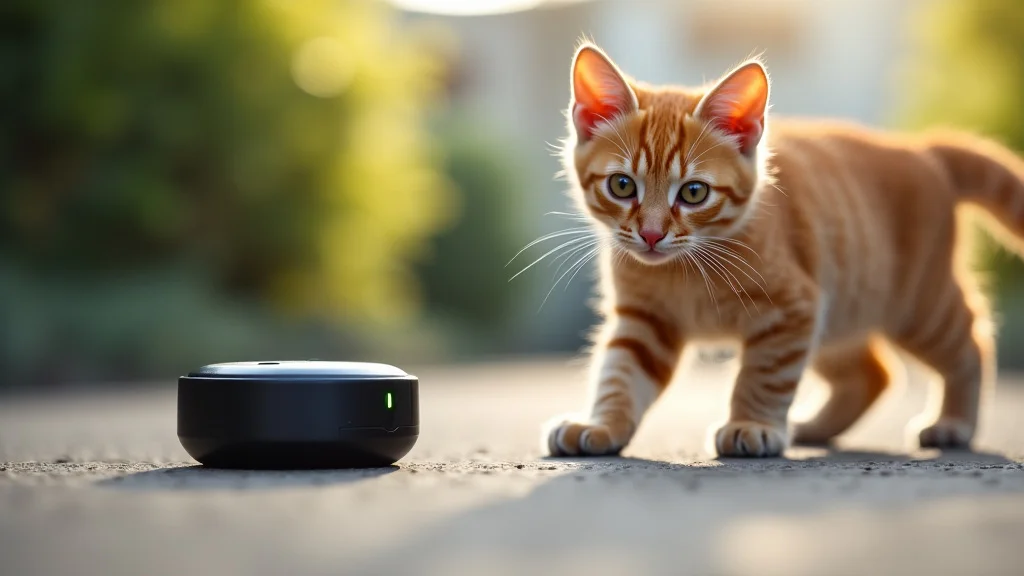
Picture this: It’s Saturday morning, and Mittens, your adventurous feline, hasn’t come home for breakfast. Panic sets in. You call her name, check all the usual spots, but she’s nowhere to be found. This is where a GPS cat tracker becomes a lifesaver. This guide explores everything you need to know about these devices, offering peace of mind for cat owners and ensuring you can always locate your furry friend. You’ll gain a thorough look at how these trackers work, their benefits, and how to select the best one for your cat. The goal is to provide you with the information to keep your cat safe. By reading on, you’ll feel confident about GPS cat tracker technology and how it can help you keep your kitty safe.
Key Takeaways
- Learn about the technology behind GPS cat trackers and how they pinpoint your cat’s location.
- Discover the benefits of using a tracker, including peace of mind and faster recovery if your cat goes missing.
- Find out what features to look for when choosing a GPS tracker for your cat, such as battery life and water resistance.
- Understand how to fit and use a GPS tracker safely and effectively on your cat.
- Explore the different types of GPS trackers available, comparing features and pricing.
- Get tips on maintaining the tracker and troubleshooting common issues.
Unveiling the Power of GPS Cat Trackers
A GPS cat tracker is a small device attached to your cat’s collar that uses Global Positioning System (GPS) technology to track its location. This system relies on a network of satellites orbiting Earth, which send signals to the tracker, allowing it to determine its precise position. This information is then relayed to you, the owner, usually through a mobile app. GPS trackers have revolutionized how we care for our pets, especially cats, which are known for their independent nature and propensity for outdoor adventures. Understanding the basics of how these trackers operate is the first step toward using them effectively to safeguard your feline friend.
How GPS Technology Works for Cats
The core technology behind a GPS cat tracker is the Global Positioning System, or GPS. This system involves a network of over 30 satellites orbiting the Earth. Each satellite transmits radio signals containing its location and the current time. A GPS receiver, such as the one in a cat tracker, picks up these signals from multiple satellites. By calculating the time it takes for signals to reach the receiver from different satellites, the tracker can determine its distance from each satellite. Using data from at least three satellites, the tracker can pinpoint its exact location on Earth, often with an accuracy of a few meters. This location data is then transmitted to your smartphone or a dedicated device, allowing you to monitor your cat’s movements in real-time or view a history of their explorations.
- Satellite Signals: The GPS tracker receives signals from multiple satellites. These signals provide the tracker with essential data.
- Location Calculation: The tracker uses the signals to determine its position. This is the main function.
- Data Transmission: The tracker sends the cat’s location to your device. This is the critical step to see where your cat is.
These signals carry information about the satellites’ positions and the precise time. The tracker uses this information to determine its distance from each satellite. The signals allow the tracker to pinpoint its location.
By measuring the time it takes for signals to reach the tracker from several satellites, the device can calculate its distance from each one. By combining this distance data, the tracker can triangulate its exact position.
The location data is usually transmitted via a cellular network (like your phone) or through a short-range wireless technology such as Bluetooth. This lets you track your cat’s movements on a map in real-time, using a mobile app on your smartphone or a dedicated web portal.
Key Components of a GPS Cat Tracker
A good GPS cat tracker is not just one technology but a combination of several components working in harmony. Each piece plays a role in ensuring the tracker functions properly and provides the necessary data to keep your cat safe. From the antenna to the battery, each component is crucial. Understanding these parts allows you to better choose and maintain a tracker.
- GPS Module: The GPS module is the heart of the tracker, receiving signals from the GPS satellites to determine the location. This is important.
- Antenna: The antenna is what receives the signals from the GPS satellites and transmits data to your device. It’s a critical component.
- Communication Module: The communication module is responsible for transmitting the cat’s location data to your phone or a tracking portal. This makes the information available.
This module houses the receiver and the processor that interprets the satellite signals. The quality of this module directly impacts the accuracy and speed of location updates. High-quality GPS modules provide quicker signal acquisition and more reliable location data.
The antenna’s design and placement are critical. A well-designed antenna ensures the tracker can receive signals effectively, even in challenging environments such as urban areas or areas with dense foliage. A powerful antenna improves the tracker’s ability to maintain a strong connection to GPS satellites.
This module often uses cellular networks (like 4G or 5G) or short-range technologies (like Bluetooth or Wi-Fi). The type of module affects the tracker’s range and battery life. Devices that use cellular networks generally have a broader range, while Bluetooth trackers may offer better battery efficiency.
Battery Life and Power Considerations
Battery life is a crucial factor in choosing a GPS cat tracker. A tracker with a short battery life may be useless if it dies when your cat is away from home. Battery performance directly affects how well the device works. It is one of the most important aspects. Consider how frequently you need location updates. If you want real-time tracking, the battery will drain faster. Some trackers offer different tracking modes, such as a power-saving mode that updates the location less frequently. This can extend battery life, but at the cost of less frequent location updates. Also, think about the battery type. Some trackers use rechargeable batteries, while others use disposable ones. Rechargeable batteries are generally more convenient.
- Battery Type: Choose between rechargeable and replaceable batteries.
- Battery Life: Consider the range of battery life offered by different trackers.
- Charging Options: Consider how the tracker charges.
Rechargeable batteries save money in the long run and are more eco-friendly. Replaceable batteries offer the convenience of quick swaps but require you to keep spares on hand.
Trackers vary in battery life, from a few hours to several days. The lifespan depends on how often the tracker updates location and the operating conditions. Real-time tracking drains the battery faster than less frequent updates.
Some trackers charge using a USB cable, while others use proprietary charging docks. Make sure the charging method is convenient for you and that you have easy access to the charging equipment.
Choosing the Right GPS Cat Tracker
Selecting a GPS cat tracker is essential to keeping your feline safe. Not all trackers are created equal; some may be better suited for certain environments. The ideal tracker should be lightweight, comfortable for your cat, and provide accurate location data. Factors to consider include the tracker’s size, weight, battery life, and durability. You should also consider the subscription costs for the service. Taking all these things into account, you can select the best tracker for your cat. This ensures you can always find your furry friend.
Features to Look For in a GPS Cat Tracker
When shopping for a GPS cat tracker, consider specific features to ensure it suits your cat’s needs and your preferences. Key features determine how well the tracker functions and how easy it is to use. From the size and weight of the tracker to its ability to withstand the elements, these elements make a difference in its practicality and ease of use. Understanding these components helps you choose the perfect tracker.
- Size and Weight: Choose a tracker that is comfortable for your cat.
- Water Resistance: Ensure the tracker is water-resistant.
- Tracking Accuracy: Look for a tracker that provides accurate location data.
A tracker that is too large or heavy might bother your cat. A lightweight tracker is less likely to cause discomfort and is more likely to stay on your cat’s collar. Aim for a tracker that is no more than an ounce or two and is compact in size.
Your cat may go out in the rain or explore near water sources. A water-resistant tracker ensures the device will continue to function in wet conditions. Look for a rating such as IP67 or higher to guarantee its protection against water and dust.
The accuracy of a tracker is vital for quickly locating your cat. Consider a tracker that uses both GPS and other location technologies, such as Wi-Fi, to improve accuracy in different environments. This offers the best chance to find your cat quickly.
Comparison of GPS Cat Trackers: Key Differences
The market has a variety of GPS cat trackers, each with different features, pricing, and capabilities. Understanding the distinctions between different models can help you find one that best matches your budget, needs, and preferences. Consider the range of options when selecting. Some trackers offer advanced features such as activity monitoring. Others focus on basic location tracking. It’s important to research and compare the available options.
| Feature | Tracker A | Tracker B | Tracker C |
|---|---|---|---|
| Size/Weight | Small and Lightweight | Medium Size, Heavier | Larger, Sturdier |
| Battery Life | Up to 5 days | Up to 2 days | Up to 7 days |
| Water Resistance | IP67 | IP65 | IP68 |
| Subscription Cost | Monthly Fee | Monthly Fee | Annual Fee |
| Features | Real-time tracking, geofencing, activity monitoring | Real-time tracking, geofencing | Real-time tracking, geofencing, long battery life |
Fitting and Using a GPS Cat Tracker Safely
Once you’ve chosen a GPS cat tracker, the next step is fitting it safely and correctly to your cat’s collar. It’s crucial to ensure the tracker doesn’t pose a risk to your cat. Also, using the tracker involves understanding its features. You can set up geofences, monitor your cat’s activity levels, and review its location history. This enhances the tracker’s effectiveness. With proper setup and use, you can get the best results.
- Choosing the Right Collar: Select a suitable collar.
- Attaching the Tracker: Properly attach the tracker to the collar.
- Charging and Maintenance: Keep the tracker charged.
Choose a breakaway collar. This collar is designed to detach if your cat gets caught on something, reducing the risk of injury. Make sure the collar fits your cat comfortably. Ensure there is enough space to fit two fingers between the collar and your cat’s neck.
Secure the tracker to the collar according to the manufacturer’s instructions. Make sure the tracker is secure to prevent it from falling off. Check for any sharp edges that might bother your cat.
Regularly check the battery life. Charge the tracker when needed. Make sure the device is always ready to use. Clean the tracker if necessary. This keeps the tracker operating well.
Troubleshooting Common Tracker Issues
Even the best GPS cat tracker can have issues. Understanding these common problems and knowing how to troubleshoot them can save you time and stress. Things like signal loss and battery problems can occur. You can maintain your tracker’s performance and ensure your peace of mind by understanding what can go wrong and what to do. Being prepared can help you resolve issues quickly and keep your cat safe.
Dealing With Signal Loss and Connectivity Problems
Signal loss can be one of the most frustrating issues when using a GPS cat tracker. GPS signals can be affected by various factors, including the environment. The device’s ability to maintain a strong connection to both GPS satellites and the cellular network is crucial for accurate tracking. There are several actions you can take to tackle signal loss and connectivity issues. Some actions you can take include repositioning your cat and checking your network connection.
- Check for Obstructions: Check for anything that might be blocking the GPS signal.
- Verify Cellular Connectivity: Ensure the tracker has a strong cellular connection.
- Restart the Tracker: Try restarting the device.
Dense tree cover, tall buildings, and indoor environments can weaken or block GPS signals. Try moving to an open area to improve signal strength. Make sure your cat is not in a place that blocks the signals.
The tracker uses cellular networks to transmit location data to your device. Check your phone’s signal strength to determine if there is a problem. Make sure the tracker has a strong signal to send data.
If you’re experiencing connectivity problems, try restarting the tracker. This can often resolve temporary software glitches and re-establish a stable connection. Make sure the tracker can send the signals.
Addressing Battery and Power Concerns
Battery problems are another common issue with GPS cat trackers, and maintaining a well-functioning battery is crucial for the device’s performance. The lifespan of a tracker’s battery can depend on several factors, including usage patterns, environmental conditions, and the device’s design. This means regular monitoring and appropriate care are essential to ensure the tracker always functions as intended. With proactive battery care and some basic troubleshooting steps, you can avoid many problems.
- Check Battery Life: Regularly check your battery life.
- Charging Issues: Troubleshoot charging problems.
- Power-Saving Mode: Consider using power-saving modes.
Make sure you’re aware of your tracker’s battery life. Regularly check the app to monitor battery levels. Plan to charge your device before it drains completely. This will ensure that you have constant access to your cat’s location.
If the tracker is not charging, check the charging cable and the charging port for any damage. Try using a different charging cable or outlet to identify if the issue lies with the power supply. These tips will help get the device charging.
Some trackers offer power-saving features that can extend battery life by reducing the frequency of location updates. This is great. Using these can make a big difference in battery life.
Common Myths Debunked
Myth 1: GPS Trackers Are Always Accurate
While GPS cat trackers are generally very accurate, they are not perfect. Accuracy can be affected by environmental factors, such as buildings and dense foliage. GPS technology relies on receiving signals from satellites, and these signals can be blocked or weakened in certain environments. In urban areas, tall buildings can interfere with the signal, leading to less precise location data. In wooded areas, the dense canopy can obstruct the signals. Knowing the limitations of GPS can lead to more realistic expectations and ensure your cat’s safety.
Myth 2: GPS Trackers Work Everywhere
Many people believe that GPS cat trackers work universally, but this is not always true. Most trackers rely on a combination of GPS and cellular networks to transmit location data. In areas with limited or no cellular coverage, the tracker’s functionality may be severely limited. Areas like rural environments, remote areas, and even some indoor locations can pose challenges for cellular connectivity. Before relying on a tracker, consider the areas your cat frequents. Think about the signal strength.
Myth 3: GPS Trackers Are Completely Waterproof
While many GPS cat trackers are water-resistant, few are completely waterproof. Manufacturers often provide ratings such as IP67 or IP68 to indicate water resistance. These ratings mean the tracker can withstand exposure to water. However, prolonged submersion or exposure to water beyond the specified limits can cause damage. Therefore, it is important to check the tracker’s water resistance rating and follow the manufacturer’s recommendations. You must also know the device’s limitations.
Myth 4: GPS Trackers Have Unlimited Battery Life
Some people think that GPS cat trackers have batteries that last forever. Battery life is a critical factor, but it is not unlimited. Battery life varies significantly between different models and depends on factors such as how frequently the tracker updates the cat’s location and the type of tracking technology used. Real-time tracking can drain a battery quickly. In reality, most trackers require regular charging. Understanding the battery life and charging requirements is crucial for ensuring the tracker remains operational and useful.
Myth 5: GPS Trackers Prevent All Cat Loss
While a GPS cat tracker significantly increases the chances of finding a lost cat, it does not guarantee preventing all losses. Trackers are a valuable tool, but they depend on the cat staying within range of the GPS and cellular signals. Even with a tracker, there’s always a chance the cat could be in an area with poor signal coverage or become trapped where the signal can’t reach. The tracker is a support, not a guarantee. You should use a tracker with other safety measures such as secure fencing and identification tags.
Frequently Asked Questions
Question: How accurate are GPS cat trackers?
Answer: GPS cat trackers can be accurate within a few meters, but this can vary depending on environmental conditions like buildings or dense foliage.
Question: How long does the battery last?
Answer: Battery life varies from a few hours to several days, depending on the tracker model and usage. Check the specifications for the tracker.
Question: Are GPS cat trackers safe for cats?
Answer: Yes, GPS cat trackers are generally safe, but it’s important to choose a lightweight model and a breakaway collar.
Question: Can GPS trackers work indoors?
Answer: GPS trackers may have difficulty indoors. It depends on the construction of the building and the availability of cellular or Wi-Fi signals.
Question: What happens if my cat leaves the tracked area?
Answer: If your cat leaves the tracked area (geofence), you’ll receive a notification and can track your cat’s location on your phone.
Final Thoughts
Choosing a GPS cat tracker is an investment in your cat’s safety and your peace of mind. By exploring the technology and knowing the pros and cons, you can provide an extra layer of protection. This will allow you to quickly locate your adventurous companion if they go missing. By understanding how the trackers work, what to look for when selecting one, and how to maintain them, you’re well-equipped to make an informed decision. Remember to regularly check the tracker’s battery life, ensure a good fit, and explore the features the device provides. Use the tracker as one piece of your cat’s overall safety plan. Always use secure fencing and up-to-date identification tags. This can give you the best chance to keep your cat safe and secure, wherever their adventures take them.